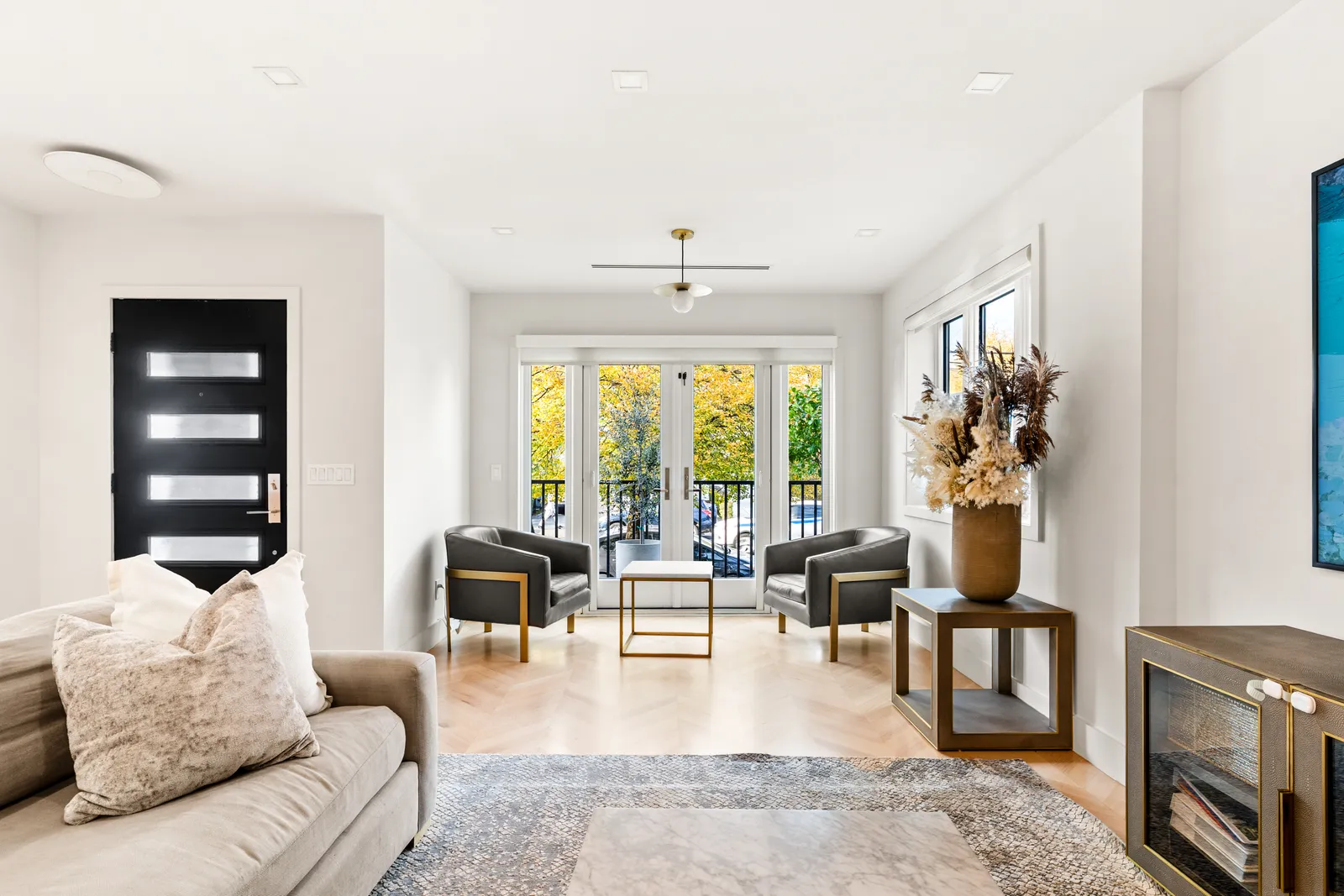
Real estate photography demands high-quality images that capture a property’s essence and details. Choosing the right camera (and lens) is crucial to achieving professional results. Modern real estate work often benefits from hybrid cameras that excel in both still photos and video-many clients now expect video walkthroughs or 360-degree tours in addition to photos, so a camera’s video capabilities can be as important as its still-image quality.
In this guide, we’ll break down the key features to look for, and recommend some of the best camera options across all budgets, along with suitable wide-angle lenses (around a 16mm full-frame equivalent) to cover interior spaces.
Key Factors in a Real Estate Camera
Before diving into specific models, consider these critical features for real estate photography:
Ultra-Wide-Angle Lens Support
The camera must accept wide-angle lenses, since capturing entire rooms is essential. A focal range of roughly 12–17mm on full-frame (or ~8–12mm on APS-C) is ideal. This range allows comprehensive room views; the “sweet spot” for interiors is around 14–16mm on full-frame.
Going much wider can introduce distortion that makes spaces look unnaturally stretched, so many pros avoid ultra-ultrawide (under 15mm) for most shots. Lens quality often matters more than the camera body for sharp, undistorted images. Always invest in a good wide-angle lens.
High Resolution & Image Quality
Higher megapixels let you capture fine details in textures and finishes, and produce sharp large prints or zoomed-in crops. For example, a 45–61MP sensor (like in Canon R5 or Sony A7R series) can resolve exceptional detail, which is useful for showcasing features or for luxury listings.
That said, anything around 20–30MP is plenty for MLS and web use. The key is a clean, high-quality sensor with good dynamic range and low noise, not just megapixel count.
Low-Light Performance (High ISO)
Interiors often have limited light, so a camera with strong low-light capability is vital. Full-frame sensors tend to perform better at high ISO, but many APS-C cameras are also excellent now.
For instance, the Sony A7 III is renowned for its high ISO performance, making it ideal for dim rooms like basements-it can capture bright, clear images even in dark conditions. Good low-light performance also helps with dusk exterior shots (twilight images) to add drama to listings. Pairing the camera with a tripod for longer exposures can further mitigate low-light challenges.
Dynamic Range & HDR
Real estate scenes often have bright windows and dark corners in the same shot. A wide dynamic range sensor allows you to retain detail in both highlights and shadows.
Many real estate photographers rely on HDR bracketing-capturing multiple exposures and blending them-to deal with high contrast scenes. Look for cameras that offer auto bracketing (e.g. ±2 EV) and shoot RAW for maximum flexibility. A camera known for great dynamic range (like the Canon 5D Mark IV or Nikon D850) will ensure bright windows aren’t blown out while shadows remain detailed.
Video Capabilities (Hybrid Use)
A hybrid camera that excels in video as well as stills can set you apart. Virtual tours and video walkthroughs are increasingly popular-listings with video/3D tours generate more engagement and even higher closing prices on average.
Key video features to have:
- At least 4K resolution (for sharp property videos)
- The ability to shoot at 60 fps or higher (for smooth motion or slow-motion)
- In-body or lens stabilization (for steady handheld pans)
- Inputs for external mics if narration is needed
Cameras like the Sony A7 IV/A7V can shoot 4K/60fps without a crop (full sensor width)-a huge plus for wide room coverage in video. The latest Sony A7 series can be an “all-in-one solution” for photos and video because of its uncropped 4K/60 and superb image quality.
If video is a major focus, also consider dedicated video-oriented models like the Panasonic Lumix GH5/GH6 (Micro Four Thirds sensor, but exceptional 4K video and adequate 20MP stills) or the Sony A7S III/FX3 for their extreme low-light video performance-though note the A7S III is only 12MP for stills.
The good news: many mid-range hybrids now offer advanced video (e.g. the Sony a6700 APS-C can do 4K 120fps 10-bit), making them photo/video powerhouses for one-person real estate shoots.
Ergonomics & Battery Life
Real estate photographers spend long days shooting dozens of rooms. A camera that is lightweight and comfortable can reduce fatigue.
Mirrorless cameras tend to be smaller and lighter, which is great for maneuvering in tight spaces like stairwells or bathrooms. Look for features like a tilting or articulating screen-composing shots from floor level or tight corners is much easier with a flip-out screen.
Battery life is another consideration: DSLR batteries often last longer than mirrorless, but many newer mirrorless models (especially full-frame) have closed the gap. If you opt for a mid-range mirrorless like a Sony a6400, note that older APS-C models might need a few extra batteries for a full day shoot. Also, dual memory card slots can be a lifesaver for backups on professional jobs.
DSLR vs Mirrorless
Both types can work-in fact, 36% of pros still use DSLRs, though ~63% have moved to mirrorless by 2025.
DSLRs historically offered a wider native lens selection (especially ultrawides) and better optical viewfinder battery efficiency, plus plenty of affordable used options.
Mirrorless cameras provide modern conveniences: they’re usually smaller/lighter, have real-time electronic viewfinders (what you see is what you get for exposure), faster autofocus, and far superior video features-all of which are advantageous for real estate work.
In practice, both can produce superb images; the choice comes down to your priorities. Many real estate shooters carry a full-frame DSLR like a Nikon D850 or Canon 5D IV for its reliability and image quality, or they opt for a mirrorless like a Sony A7 series or Canon R series for the cutting-edge AF and video. Either way, ensure access to a good ultrawide lens for that system.
Wide-Angle Lenses-Your Most Important Tool
As the saying goes, lenses impact image quality more than the camera body. For real estate, a high-quality wide-angle lens is indispensable. It “exaggerates space” to capture entire rooms and make interiors feel spacious. Here are some lens tips and options:
Ideal Focal Length
Aim for roughly 14–16mm on full-frame (around 90–100° field of view). This captures a whole room without bizarre distortion. On APS-C sensors, that means using lenses around 10–12mm to get a similar view (since a 10mm on APS-C ≈ 15mm full-frame equivalent).
Notable examples:
- Canon’s EF-S 10–18mm f/4.5-5.6 (for APS-C DSLRs)
- Nikon’s AF-P DX 10–20mm f/4.5-5.6
These are affordable options that are ideal for interior shots on those systems. On Micro 4/3 (MFT), look for ~7–8mm lenses (e.g., 7-14mm f/4) to get 14–16mm equivalent.
Avoiding Extreme Distortion
Lenses wider than ~12mm (full-frame) can make small rooms look too exaggerated (“Alice in Wonderland” effect). Ultra-wide rectilinear lenses (12mm, 10mm, or even 8-9mm fisheye) should be used sparingly-they capture everything, but straight lines may bend and objects near the edges stretch unnaturally.
Some pros use these for very tight spaces or dramatic shots but caution that they should only be used if the added value is obvious due to distortion and softer corners. In practice, a lens around 16mm strikes the balance between spacious feel and realistic proportions.
Recommended Wide Lenses by System
You don’t necessarily need the most expensive glass (e.g. the f/2.8 pro zooms) for real estate, since you’ll often shoot at mid apertures (f/5.6–11 for depth of field and sharpness). Many cost-effective options exist:
For Sony Full-Frame (FE mount): The gold standard is the 16–35mm f/2.8 G Master, but if that’s too rich for your blood, Sony’s 16–35mm f/4 ZA (Zeiss) is a top alternative with excellent quality. You can even buy a Sony A7III + 16–35mm f/4 for less than the price of a new A7IV body-a fantastic value combo for real estate. Third-party zooms like the Tamron 17–28mm f/2.8 or Sigma 16–28mm f/2.8 are also great, cheaper than Sony’s GM lenses.
For Sony APS-C (E mount): Sony’s own 10–18mm f/4 OSS has been popular, but Sigma recently released a 10–18mm f/2.8 DC DN that reviewers love-it’s lighter, faster (f/2.8), and more affordable. This lens on a Sony a6400/a6700 gives a perfect 15–27mm equivalent range. Another choice is the Tamron 11–20mm f/2.8 (16.5mm–30mm eq.), also well-regarded for sharpness.
For Canon APS-C DSLRs: The EF-S 10–18mm f/4.5-5.6 IS STM is an excellent budget lens (often under $300). Despite its small size and price, it delivers very good results for interior photos, which is why kits like the Canon Rebel series often pair with this lens for real estate.
For Canon Full-Frame (EF/RF): A classic affordable option is the Canon EF 17–40mm f/4L (used on an EOS 6D/5D or adapted to R)-it gives 17mm coverage on full-frame at a moderate cost. The Canon RF 16mm f/2.8 STM prime is another low-cost option for EOS R mirrorless users that provides 16mm ultra-wide coverage in a tiny package (though with some distortion that can be corrected in post).
For Nikon: On Nikon DSLRs, the go-to budget ultrawide is the AF-P DX 10–20mm f/4.5-5.6 VR for APS-C (e.g., D5600/D7500)-it’s affordable and ideal for interiors. Full-frame Nikon shooters can look at the 16–35mm f/4G VR (often available used at reasonable prices). The newer Nikkor Z 14–30mm f/4 S is a stellar choice for Nikon Z mirrorless, being sharp and rectilinear (and much cheaper than the Z 14-24mm f/2.8 S).
For Fujifilm X: Fuji’s XF 10–24mm f/4 OIS (15–36mm eq.) is the standard wide zoom for their APS-C system-great image quality and optical stabilization for video. There’s also a pricier XF 8–16mm f/2.8 if budget allows and you need even wider.
For Micro Four Thirds: The Panasonic Lumix 7–14mm f/4 (14–28mm eq.) or Olympus 9–18mm f/4-5.6 (18–36mm eq.) are common choices. If using a Lumix GH-series for heavy video, the Leica 8–18mm f/2.8-4 is excellent (though fairly expensive).
In all cases, ensure your camera body is compatible with the chosen lens (mount matters!), or use the appropriate adapter if mixing older lenses on newer bodies. A quality wide lens coupled with a high-resolution camera will make your photos pin-sharp and minimize distortion, helping rooms look true to life.
Bottom line: Budget for the lens as much as for the camera body-a $500 camera with a $300 lens will generally serve real estate needs better than an $800 camera with only a $100 kit lens.
Top Camera Picks by Budget
Now, let’s look at some of the best camera models for real estate photography, broken down into budget categories and use-cases. We’ll cover both DSLRs and mirrorless, and note their strengths (including hybrid video features). All of these have options to achieve ~16mm equivalent focal length with the right lens, without resorting to extremely expensive glass.
Budget-Friendly Options (Entry Level)
Canon EOS Rebel SL3 / T7 (APS-C DSLR)
Price: ~$500
Canon’s Rebel series DSLRs are consistently recommended for beginners in real estate. They offer a great balance of cost and performance. The Rebel SL3 (250D) is a top choice that delivers 24MP resolution, good low-light for its class, and easy handling.
Pair it with the EF-S 10–18mm lens and you have a very capable interior setup for under $800 total. Even the slightly older Rebel T7 (2000D) can work-it’s often cited as the best budget camera for real estate due to its solid image quality and access to Canon’s huge lens ecosystem.
Key benefits: Affordable, 24MP APS-C sensor, lots of cheap lenses (e.g., older EF wide zooms)
Drawbacks: No in-body stabilization, limited dynamic range compared to higher-end, rudimentary video capabilities (the SL3 does have 4K but with a heavy crop and no Dual Pixel AF in that mode)
Nikon D3500 (APS-C DSLR)
Price: ~$500
Nikon’s entry-level DSLR (now discontinued but widely available used or remaining stock) is another budget pick. It’s 24MP with excellent image quality for the price and great battery life (easily 1500+ shots per charge).
The D3500 lacks bracketing and has no tilt screen, so you’ll work around that (you can still do manual exposure bracketing). If your budget is tight, it’s a solid workhorse for photos. For lenses, Nikon’s inexpensive 10-20mm VR wide-angle is ideal for this purpose, giving ~15mm full-frame equivalent coverage.
Drawbacks: Very basic feature set (no built-in HDR, no 4K video, one control dial). If you can spend a bit more, the Nikon D5600 adds a vari-angle touchscreen and exposure bracketing, which can be worth it for real estate shoots.
Sony A6400 (APS-C Mirrorless)
Price: ~$900 (body)
This mirrorless camera is a favorite for those who need a compact tool for tight spaces. The A6400 is praised as the best for tight interior shots-it’s easy to maneuver in tight stairwells and bathrooms, and yet it boasts fast autofocus that locks on quickly even handheld.
The A6400’s 24MP sensor produces great images and it can shoot 4K video (up to 30p) with no crop. It lacks in-body stabilization, but pairing it with an optically stabilized lens like the Sony 10-18mm f/4 OSS or using a gimbal can solve that for video.
Its newer sibling, the Sony a6600 (a bit more expensive) or a6700 adds IBIS and bigger battery. Still, the A6400 is a fantastic value for a hybrid shooter on a budget, capable of professional results-many APS-C cameras like the Sony A6400 can still produce professional results, especially when paired with a wide-angle lens.
Others to Consider (Budget)
- Canon EOS 6D Mark II: If you find one used around $1000, this 26MP full-frame DSLR is very beginner-friendly with a touchscreen and great color/dynamic range; you can then use affordable EF full-frame lenses like a 17-40mm
- Fujifilm X-T30 II: APS-C mirrorless, 26MP, Fuji’s color science and a retro style; noted for its portability and image quality, pair with the XF10-24mm lens
- 360-degree cameras: The Insta360 X3 (~$450) deserves a mention for entry-level virtual tours-while not for primary photo shooting, they make 360-degree imagery more accessible for simple interactive tours, shooting 72MP panoramas and 5.7K 360-video
For a budget of under $500, having a basic DSLR/MILC for stills and a 360 camera for quick tours is a powerful combo.
Mid-Range All-Rounders (Enthusiast/Prosumer Level)
Sony A7 III (Full-Frame Mirrorless)
Price: ~$1,700 (body)
If one camera consistently gets recommended as the “do-everything” option, it’s the Sony A7 III. With a 24MP full-frame sensor, outstanding low-light performance, 5-axis in-body stabilization, and 4K video, it balances quality and cost exceptionally well.
“If I had to choose one camera to do everything well, it’d be this one.”
It can handle beautiful stills (interiors, exteriors, details) and also shoot high-quality video (full sensor width 4K 30p, and 1080p up to 120fps for slow-mo). The A7 III’s dynamic range is great for HDR work, and it has dual card slots for backup.
Importantly, it works seamlessly with Sony’s excellent lens lineup-it handles low light gracefully and works seamlessly with wide-angle lenses like the Sony 16–35mm f/4.
This camera is now a few years old (2018) but still a top contender for real estate professionals on a mid-range budget.
Note: As a hybrid, its only limitation is that it lacks the latest 10-bit video codecs and 4K60 found on newer models-so for purely video-heavy use one might lean to an A7 IV or A7S III. But for a mix of photos and some video, A7 III remains a price-to-performance king.
Sony A7 IV (Full-Frame Mirrorless)
Price: ~$2,500 (body)
The successor to the A7 III, the A7 IV ups the still resolution to 33MP and adds 10-bit 4:2:2 video up to 4K 60p (with a small Super35 crop at 60p). It’s a more advanced hybrid.
Some experts note this camera is not really well suited for real estate video due to the crop and some rolling shutter. In practice, the A7 IV can do video quite well for most users-but if you demand uncropped 4K60 and absolutely no overheating risk, you might skip to the next option.
For predominantly photography use with occasional video, A7 IV is excellent. It has much improved autofocus and ergonomics over the A7 III. If budget allows, also consider the Sony A7 V which offers 4K60 full-frame with no crop-meaning truly no-compromise hybrid performance.
Bottom line: Sony’s A7 series (III, IV, V) are arguably the most versatile choices for real estate shooters wanting full-frame quality, and they have the lens flexibility (e.g. inexpensive Samyang/Tamron wide zooms or the high-end G Masters) to suit any budget lens selection.
Canon EOS R6 Mark II (Full-Frame Mirrorless)
Price: ~$2,500 (body)
Canon’s R6 II is a 24MP full-frame mirrorless that excels in low light and speed (it inherited many features from the pro R3). While the resolution is lower than some, 24MP is plenty for real estate.
It has in-body IS, which paired with Canon’s stabilized RF lenses like the RF 14-35mm f/4L or RF 15-30mm f/4.5-6.3, makes handheld interior shooting feasible at slower shutter speeds. The R6 II shoots oversampled 4K up to 60p without time limits-a big improvement from the original R6, making it a great hybrid choice for property videos.
Canon colors straight out of camera are excellent for interiors, and the dynamic range is much improved over older Canons (it’s comparable to the 5D4/R5 level of DR).
If budget is tight, the original EOS R (30MP) or RP (26MP) can also be used for real estate-they’re full-frame and you can adapt EF lenses-but their autofocus and video are more limited.
Among DSLRs in mid-range, the Canon 5D Mark IV (30MP) is worth mentioning: it’s a legendary camera known for strong dynamic range and robust build. Many veteran real estate photographers still use 5D Mark IV or 5D Mark III bodies with great results.
Nikon Z6 II / Z7 II (Full-Frame Mirrorless)
Price: ~$2,000–3,000 (body)
Nikon’s Z series mirrorless are a compelling option especially if you have Nikon lenses. The Z7 II (45.7MP) and Z6 II (24.5MP) offer excellent image quality and dynamic range (essentially matching the D850 and D750 sensors respectively) with the benefits of mirrorless.
They have sensor stabilization and can shoot 4K video (up to 60p on the Mark II versions). They are noted for excellent image quality and faster autofocus, making them great in any setting.
- Z7 II: Fantastic for ultra-detailed interior and exterior shots (similar use case as D850)
- Z6 II: Better for low-light and video (because its lower megapixel sensor can do oversampled 4K more easily)
Nikon’s new Z-mount 14-30mm f/4 S lens is a perfect pairing, or one can adapt the trusty 16-35mm f/4G VR via the FTZ adapter.
If you prefer a DSLR form, the Nikon D850 (45.7MP DSLR) remains a strong contender for those needing maximum detail-it’s often cited as having impressive dynamic range and low-light performance that’s hard to beat.
Sony A6700 (APS-C Mirrorless)
Price: ~$1,400 (body)
This is Sony’s latest APS-C flagship (2023) and it’s an absolute hybrid powerhouse in a small form.
“If you put aside the lack of full-frame, this camera actually has more features than the A7 IV-including 4K 120fps 10-bit video-making it a hybrid photo/video powerhouse. You could do everything with this one camera.”
The a6700 gives you advanced Real-Time Tracking AF, 26MP of resolution, and Sony’s newer color science, plus it uses the high-capacity Z-battery (solving older a6400 battery issues).
For a one-camera solution to shoot high-quality listing photos and smooth 4K walkthrough videos, the a6700 is hard to beat in its price class. Its APS-C sensor will have a bit more noise in very low light compared to full-frame, but in practice you can bracket shots or use lights if needed.
With the Sigma 10-18mm f/2.8 or Sony 10-20mm f/4 PZ lens, you get ~15mm effective coverage in a very lightweight kit.
Note: Competing APS-C mirrorless systems include the Fujifilm X-T3/X-T4/X-T5 and the Canon EOS R7-all of which can certainly be used for real estate as well.
Panasonic Lumix GH5 II / GH6 (Micro 4/3 Mirrorless)
Price: ~$1,300–2,000 (body)
For those who prioritize video but still need decent stills, Panasonic’s GH series is legendary. The Lumix GH5 (20MP) is noted as ideal for real estate professionals who rely heavily on video tours-it shoots 4K 60p and even 4K 10-bit internal, with superb stabilization, and its stills (while only 20MP) are plenty for web and moderate prints.
The newer GH6 goes further with 5.7K video and other high-end specs. These cameras have smaller sensors, which means more depth of field (actually a benefit for interiors to keep everything in focus) but more noise at high ISO.
They might struggle a bit in dark rooms compared to full-frame, but you can always use lighting. If you do a lot of tripod HDR shooting, sensor size is less of an issue. Just be sure to pair with an ultrawide like the Panasonic 7-14mm or Laowa 7.5mm to get the needed field of view.
High-End Professional Choices (Top of the Line)
Canon EOS R5 (Full-Frame Mirrorless)
Price: ~$3,900 (body)
Canon’s 45MP flagship stands out for its versatility and performance, with the high resolution plus 8K video capability covering various shooting scenarios.
The 45MP stills are extremely detailed (great for large prints or cropping in to window views, etc.), and the dynamic range is excellent. For video, the R5 can do 4K up to 60p (even 120p in a lower quality mode) and 8K for future-proofing or sharp still frame pulls.
It does run hot if pushed hard in 8K, but for typical 1-2 minute property clips in 4K it’s usually fine (the later firmware and the R5C variant address overheating for long shoots). Canon’s dual-pixel AF is reliable for both still and video. In-body IS works in tandem with lens IS for extremely steady handheld shots.
This is a camera that can shoot a magazine-cover interior photo one minute and a cinematic video tour the next. Naturally, it pairs well with Canon’s L-series ultrawides (RF 15-35mm f/2.8L or the cheaper RF 14-35mm f/4L).
Nikon D850 (Full-Frame DSLR)
Price: ~$3,000 (body)
Among DSLR shooters, the D850 is often called the ultimate real estate camera for still photography. Its 45.7MP sensor is class-leading in dynamic range and detail, making it ideal for ultra-detailed interior and exterior images.
You can recover shadows and highlights brilliantly from its RAW files, which is perfect for HDR blending work. It also has robust build quality and battery life for all-day, heavy use. Many professionals also appreciate the optical viewfinder for composition in bright light.
The D850 even does decent 4K video (no IBIS though), but its strength is stills-you might pair it with a secondary device for video if needed.
It speaks volumes that year after year, the D850 (and the mirrorless Z7 II which essentially matches it in quality) remain top picks by pros for high-end real estate and architectural photography.
Sony A7R IV / A7R V (Full-Frame Mirrorless)
Price: ~$3,500–3,900 (body)
Sony’s high-resolution line offers 61 megapixels (in the A7R IV and V), the highest of any full-frame camera currently. This resolution can be overkill, but for luxury real estate shoots or large prints, it means insanely crisp images-you can capture intricate texture in marble countertops or zoom into distant architectural details without loss.
The A7R IV is praised for its incredible detail and great dynamic range and fast autofocus, making it an outstanding option for real estate photography. The newer A7R V adds improved autofocus (with AI subject recognition) and better image stabilization, and can also shoot 8K video (though with limitations).
These cameras will reveal any lens weaknesses, so you’ll want to use top-notch glass (Sony’s 16-35mm GM II is perfect if budget permits, or the Zeiss Batis/GM primes).
For video tours, the A7R series is capable (4K up to 60p on A7R V, 4K30 on A7R IV) but not as optimized for video as Sony’s A7S or FX series-still, they are true hybrids.
As an alternative, the Sony A7S III (12MP) or FX3 might be chosen by some videographer/photographer hybrids; you can absolutely use this 12MP camera for photos as well with no issues. The caveat is that 12MP stills are on the lower end (fine for web, less ideal for print). Thus, many stick with the A7R or A7 standard series for a more balanced approach.
Matterport Pro2 / Pro3 3D Cameras
Price: $3,400–6,000
These aren’t traditional cameras, but it’s worth noting them for high-end virtual tour needs. The Matterport Pro2 is a specialized 3D camera that captures 134MP spherical images and depth data to create immersive walkthroughs and floor plans. It’s even listed among top options for real estate imaging.
The newer Matterport Pro3 uses LiDAR for better scanning of large or outdoor spaces. While expensive, these devices can generate a complete virtual tour and traditional photos in one go.
They won’t replace a DSLR or mirrorless for photo quality or creative control (and you wouldn’t use them for standard marketing photos due to lower per-image quality compared to a DSLR), but for all-in-one tour solutions, some brokerages invest in them.
If you’re a photographer offering services to luxury clients, having Matterport capabilities in addition to your main camera can give you an edge.
Note: Many photographers instead opt for cheaper 360-degree cams like the Ricoh Theta series or Insta360 and use Matterport’s cloud processing-a Matterport subscription can turn 360 panoramas into a tour as well.
Special Mention: Drone Photography
Exterior aerials can set a property listing apart, showing the surrounding area or property features. While not a “camera body” in the traditional sense, a drone with a good camera is a key part of many real estate photographers’ kits.
DJI’s lineup (from the Mini series up to Mavic 3/4 Pro) offers excellent aerial imaging. If you plan to do drone shots or video, factor that into your budget. A DJI Mavic 3 Classic or Air 3 (~$1–2K) can capture 20MP stills and 4K videos of homes from compelling angles.
Just remember to follow local regulations and get licensed (Part 107 in the US) for commercial drone work.
Camera Comparison Summary
| Category | Camera | Price | Resolution | Best For |
|---|---|---|---|---|
| Budget | Canon Rebel SL3 | ~$500 | 24MP | Beginners, affordable setup |
| Budget | Sony A6400 | ~$900 | 24MP | Tight spaces, fast AF |
| Mid-Range | Sony A7 III | ~$1,700 | 24MP | Best all-rounder |
| Mid-Range | Sony A6700 | ~$1,400 | 26MP | Hybrid photo/video |
| Mid-Range | Canon R6 II | ~$2,500 | 24MP | Low light, Canon ecosystem |
| Mid-Range | Nikon Z6 II | ~$2,000 | 24.5MP | Nikon shooters, balanced |
| High-End | Canon EOS R5 | ~$3,900 | 45MP | Maximum versatility |
| High-End | Nikon D850 | ~$3,000 | 45.7MP | Ultimate still quality |
| High-End | Sony A7R V | ~$3,900 | 61MP | Luxury shoots, max detail |
Conclusion
The best camera for real estate photography is one that fits your budget, produces high-quality wide-angle images, and ideally serves multiple purposes (stills, video, 360 tours) as needed.
Beginners can start with affordable DSLRs like the Canon SL3 or Nikon D3500 paired with the right wide lens and achieve great MLS photos.
Enthusiasts and pros have a wealth of options in the mirrorless realm-from the all-around prowess of the Sony A7 III/A7 IV, to Canon and Nikon’s full-frame offerings, to high-res beasts like the A7R IV or the reliable workhorse Nikon D850.
The common thread is to ensure the camera supports a proper ultra-wide lens and offers the dynamic range (or bracketing features) and low-light performance for interior shoots.
Keep in mind the growing importance of hybrid capabilities-even if your main focus is photos, having strong video features opens up additional services (video walkthroughs, social media clips) which many agents now expect. A hybrid mirrorless camera that handles low light well and captures sharp, detailed shots with a wide lens-like a Sony A7 series-is a top choice for interior photos.
And while full-frame cameras provide the ultimate image quality, you don’t necessarily need a full-frame to succeed-modern APS-C models (or even phones in some cases) can do the job if used skillfully, especially when paired with the right lens and techniques.
Finally, always practice good techniques:
- Use a tripod for HDR brackets
- Consider a geared tripod head for fine leveling
- Use a circular polarizer to cut reflections on windows/floors
- Leverage editing software to correct any lens distortion and merge exposures
The combination of the right gear and solid technique will result in bright, inviting images that make properties stand out. With the recommendations above, you can find a camera setup that meets your needs-whether you’re shooting a small apartment on a tight budget or a multi-million dollar estate requiring the best image quality and immersive tours.
Ready to streamline your real estate photography workflow? Try Photeria free and spend less time on admin and more time behind the camera.